
Helena · Birmingham · Online in Alabama
Couples & Marriage Counseling
Reconnect, communicate more deeply, and understand the patterns shaping your relationship.

Couples Therapy Isn’t Only for Relationships in Crisis
Every relationship moves through seasons of stress and change. Communication breakdowns, life changes, the arrival of children, intimacy concerns, or a rupture in trust can leave partners feeling distant, lost, or stuck. These experiences are common, and they don’t mean your relationship is failing.
One of the biggest myths about couples counseling is that it’s only for relationships on the brink. Many couples come to therapy to understand each other more deeply, strengthen their bond, and bring more ease, fun, and flow back into their connection.
Understanding Relationship Patterns
When partners feel disconnected, they often fall into the same painful cycle again and again.
The Cycle
One partner may reach for closeness by pushing, criticizing, or protesting, while the other pulls back, shuts down, or defends. Each reaction makes sense, yet together they can keep a couple stuck.
What Lies Underneath
Beneath these reactions are often deeper feelings and needs: wanting to feel valued, safe, close, and understood. Our attachment styles and past experiences shape how we express them.
Seeing It Together
Therapy that draws on an attachment-informed, emotionally focused lens helps partners slow these moments down, see the cycle as the shared challenge, and understand their own and each other’s emotional experience.
What Couples Therapy Can Help With
Here are some of the concerns couples bring to therapy. This list isn’t complete.
Communication & Recurring Conflict
- Communication that breaks down
- Arguments that keep repeating
- Misreading each other’s actions
Emotional Disconnection & Intimacy
- Missed opportunities for connection
- Concerns about intimacy
- Feeling overwhelmed or alone
Trust Concerns & Relationship Repair
- Rebuilding trust after a rupture
- Repairing after painful conflicts
- Substance use and its impact on the relationship
Attachment Patterns & Emotional Needs
- Understanding attachment styles
- Codependency
- Understanding yourself and your partner
Parenting, Family Stress & Life Transitions
- Becoming parents and raising children
- Family stress
- Major life changes
Boundaries, Expectations & Roles
- Setting healthy boundaries
- Different expectations
- Sharing roles and responsibilities
Our Approach to Couples Therapy
Relationships are not one size fits all, so your therapy plan shouldn’t be either.
Collaborative
Your goals, your plan, and how to move forward are decided by you as a couple. Your therapist offers unbiased support for growth, clearer communication, and deeper understanding.
Individualized
Depending on your therapist’s training and your needs, therapy may include attachment-informed work, emotionally focused interventions, communication skills, and exploration of relational patterns.
Growing With You
Couples counseling isn’t a linear process. It naturally changes as you grow together, and your plan can shift along the way.
What to Expect
The exact process varies by therapist and by couple, but it often looks like this.
Initial Conversation
Share what brings you in and talk through your expectations for therapy, often in a first session together.
Understanding Your Relationship
Your therapist learns about your history, current concerns, strengths, and goals. Some therapists also meet with each partner individually.
Building Connection & Skills
Together you explore your relationship’s cycles and strengths and practice new ways of communicating and reconnecting.
Ongoing Growth
You and your therapist revisit your goals and adjust the plan as your relationship grows.
Who We Work With
Couples come to us during conflict, transitions, or disconnection, and also to strengthen a meaningful bond.
Your safety comes first. If you are experiencing abuse, threats, or controlling behavior in your relationship, couples therapy may not be the right first step. Please reach out to us for help finding individual support, or call the National Domestic Violence Hotline at 1-800-799-7233.
Find a Couples Therapist
Not every clinician offers couples counseling. These therapists currently see couples.
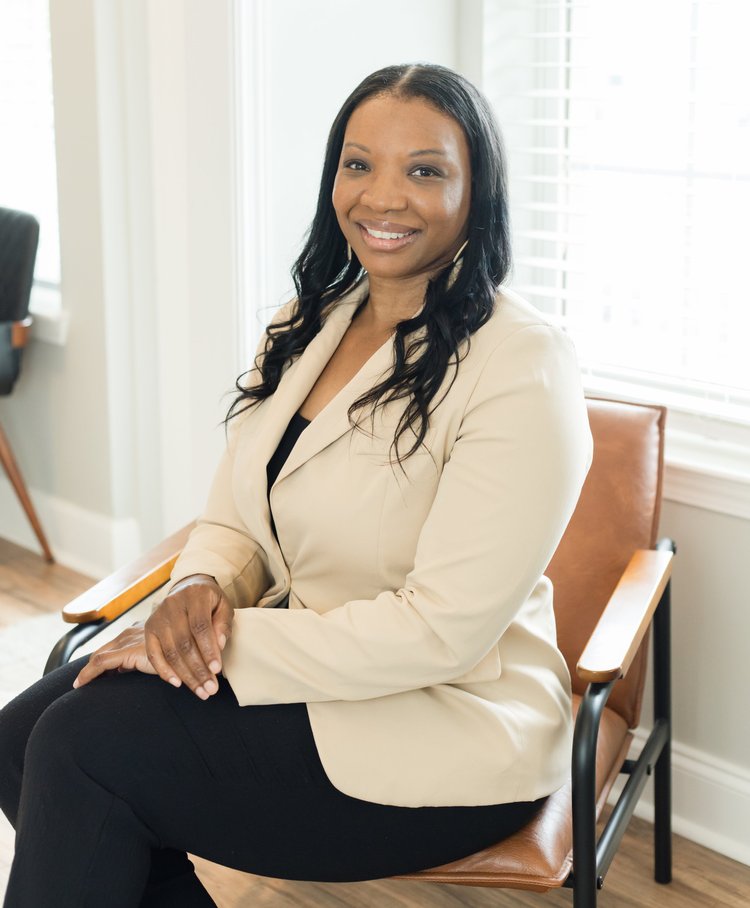
Carnisha Johnson
Psychotherapist, LMSW
Works with adults and couples facing anxiety, stress, and relationship concerns.
View profile
Hanna Stiltner
Founder & Psychotherapist, LICSW‑S
Experience with individuals, couples, and families, with a holistic, collaborative approach.
View profile
Amanda Fowler
Psychotherapist, LICSW
Strengths-based, evidence-informed support through stress, change, and loss.
View profile
Josh Shoemake
Counselor, LPC, NCC
Relational, collaborative counseling, including relationship difficulties.
View profile
Eva Thau
Psychotherapist, LICSW‑S
Bilingual (English and Spanish), culturally responsive care for relationship challenges.
View profileGetting Started
Ready to begin? Request an appointment, or contact us with questions about finding the right therapist.
Prefer to talk? Call us at 205.202.9685.
If you are in crisis, call or text 988 or go to the nearest emergency room.